

Custom Non-Standard Sight Glass: Common Challenges and Best Solutions

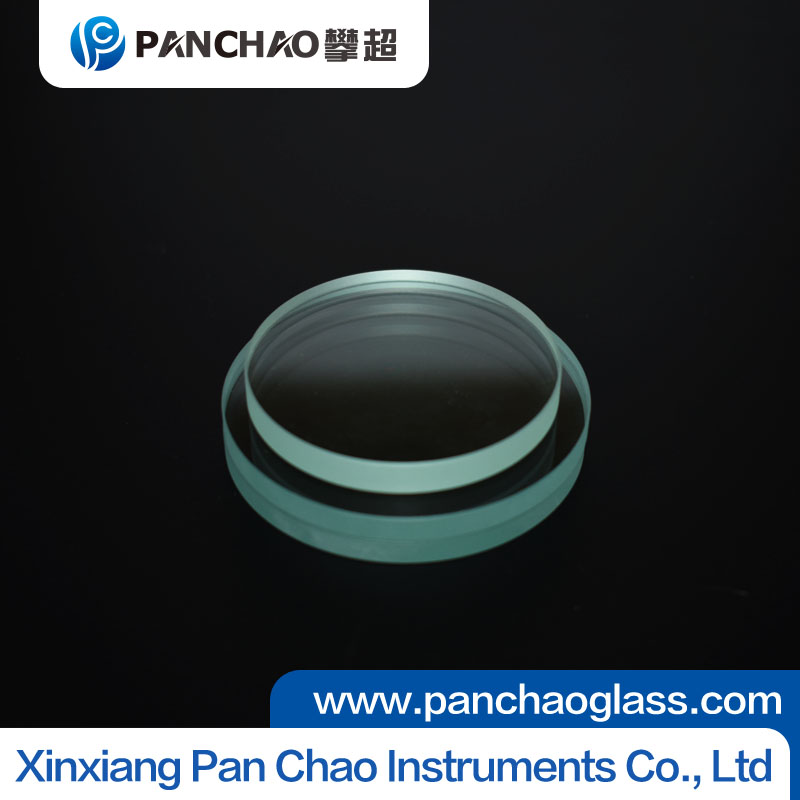
Non-standard (customized) sight glass is widely used in chemical equipment, pressure vessels, reactors, and specialized industrial systems where standard sizes cannot meet installation or performance requirements. While customization offers flexibility, it also introduces technical challenges. Understanding common issues and best practices helps ensure safety, reliability, and cost efficiency.
1. Dimensional Accuracy and Tolerance Control
One of the most common challenges is achieving precise dimensions. Non-standard sight glass often requires tight tolerances to match existing flanges or frames. Even small deviations can lead to sealing failure or uneven stress distribution. The best solution is to confirm detailed drawings, including outer diameter, thickness, flatness, and edge profile, before production. CNC grinding and optical measurement systems help maintain dimensional consistency.
2. Material Selection Confusion
Choosing the wrong glass material can result in premature failure. Borosilicate glass is suitable for moderate temperature and chemical exposure, while quartz glass is preferred for high temperatures, UV transmission, and extreme thermal shock. For pressure-heavy applications, laminated or thickened glass designs may be required. Clear communication of operating temperature, pressure, and media is essential.
3. Edge Processing and Surface Quality
Poor edge finishing is a major cause of cracking. Customized sight glass must undergo proper chamfering, grinding, and polishing to remove micro-cracks. For high-pressure use, polished edges significantly improve mechanical strength and safety.
4. Sealing and Installation Compatibility
Non-standard sizes often face sealing issues. Selecting appropriate gasket materials—such as PTFE, graphite, or silicone—and ensuring uniform compression are critical. In some cases, redesigning the metal frame or clamp structure provides better load distribution.
5. Testing and Certification
Custom sight glass should not skip testing. Pressure testing, thermal shock testing, and visual inspection help verify performance before installation. For industrial use, compliance with relevant standards improves safety assurance.
Conclusion
Successful non-standard sight glass customization depends on precise design, correct material choice, proper edge treatment, and thorough testing. With the right approach, custom solutions can deliver both reliability and long-term performance in demanding applications.

Related articles
- What Is the Difference Between Glass Windows and Sight Glass?
- Safety Design Principles for Extra-Thick Sight Glass
- Common Issues in Custom Non-Standard Sight Glass Fabrication
- Future Trends: The Development of High-Pressure-Resistant and
- Differences and Connection Methods Between Glass Windows and
- Common Problems and Solutions in Custom Non-Standard Sight Gl
- Custom Glass Tube Manufacturing Process: From Cutting to Fire
- Safety of Tempered Sight Glass: Impact Resistance Testing Exp
- Sight Glass Selection Guide for High-Temperature Environments
- Protective Measures Against Tempered Sight Glass Explosion

Xinxiang Pan Chao Instruments Co., Ltd.
Tel: +86 13343800331
Contact person:Carrie Niu
Fax: 0373 303 0331
Email:sales@panchaoglass.com
