
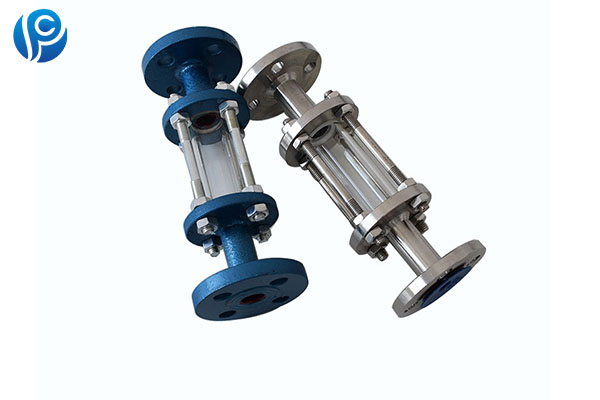
How to Choose Corrosion-Resistant Sight Glass Materials

How to Choose Corrosion-Resistant Sight Glass Materials
Sight glass is widely used in chemical, pharmaceutical, food processing, and industrial systems to provide safe visual monitoring of internal processes. In corrosive environments, selecting the right material is critical because chemical attack can reduce clarity, strength, sealing reliability, and service life. Choosing corrosion-resistant sight glass requires evaluating several key factors.
1. Understand the Chemical Medium
The first step is identifying what the glass will contact:
- Strong acids
- Strong alkalis
- Organic solvents
- Salt solutions
- Reactive gases or vapors
- Mixed chemicals at varying concentrations
Different chemicals affect glass differently. For example, many glass materials resist acids well, while strong alkalis can attack silica-based surfaces over time.
2. Common Material Choices
Borosilicate Glass
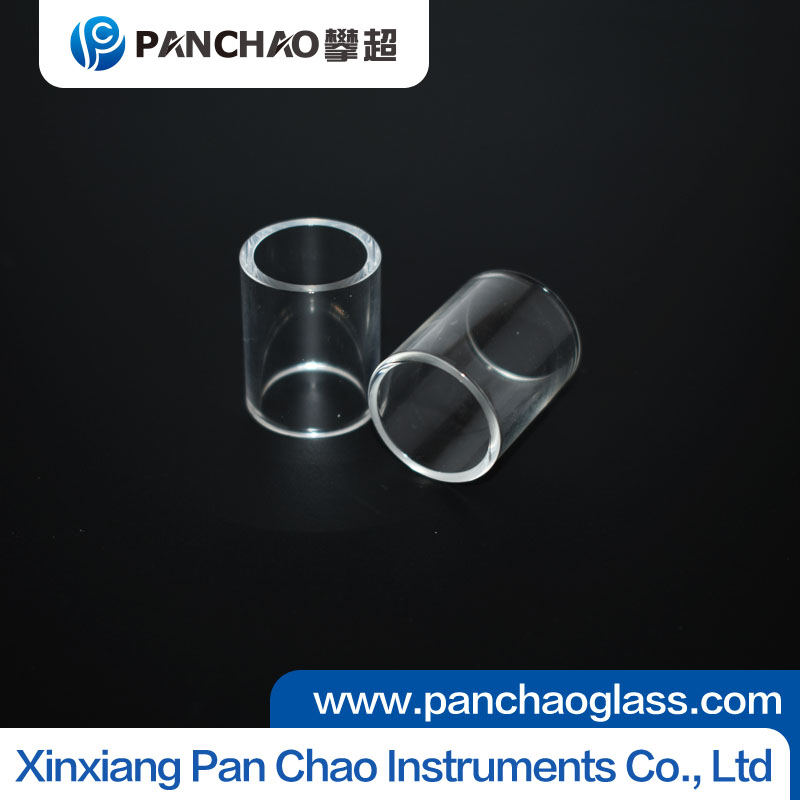
One of the most common industrial choices. It offers excellent resistance to most acids, water, and many solvents, along with good thermal shock resistance. Suitable for chemical processing, laboratories, and general industrial systems.
Quartz Glass (Fused Silica)
Provides superior purity, high-temperature resistance, and excellent chemical stability. Often selected for aggressive chemical environments, high temperatures, or applications requiring UV transparency.
Tempered or Laminated Borosilicate Structures
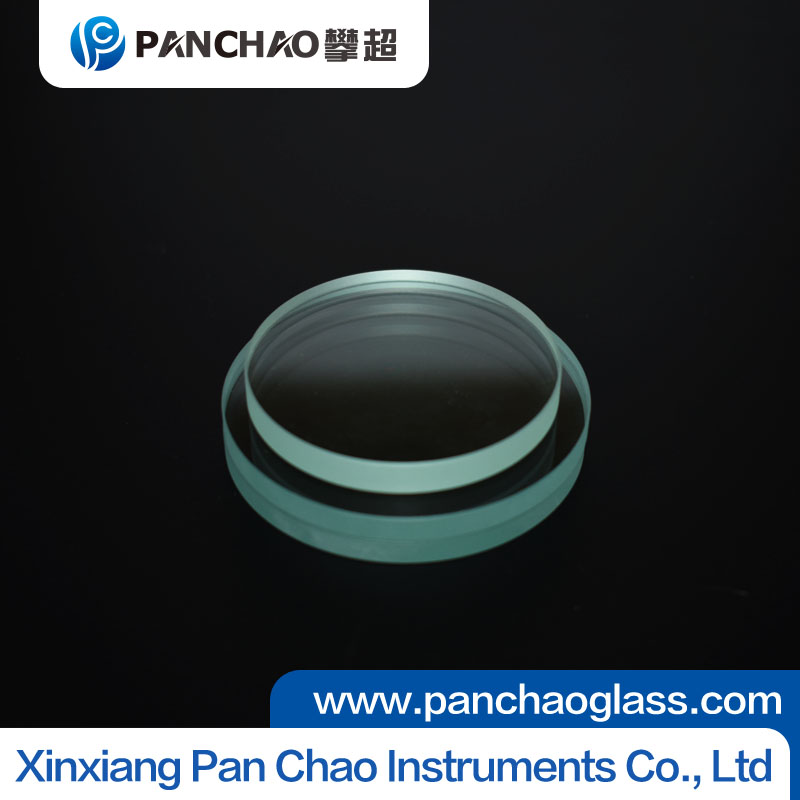
Used when both corrosion resistance and enhanced mechanical safety are needed, especially in pressure equipment.
3. Consider Temperature and Pressure
Chemical corrosion often accelerates at higher temperatures. A material that performs well at room temperature may degrade faster under heat. Pressure systems also require sufficient mechanical strength in addition to corrosion resistance.
4. Evaluate Surface Quality
Smooth, well-polished surfaces resist chemical attack better than rough or damaged ones. Scratches and edge defects can become starting points for localized corrosion or stress failure.
5. Check Sealing Compatibility
Even if the glass resists corrosion, the gasket and frame materials must also be chemically compatible. PTFE and specialized elastomers are commonly used depending on media type.
6. When to Avoid Standard Glass
Ordinary soda-lime glass is generally less suitable for demanding corrosive industrial environments due to lower thermal and chemical resistance.
Practical Selection Guide
- General acids / solvents → Borosilicate glass
- High temperature + aggressive media → Quartz glass
- Pressure + chemical service → Engineered borosilicate safety assemblies
- Frequent thermal cycling → Low-expansion borosilicate or quartz
The best corrosion resistance starts with choosing the right material for the real operating conditions.

Related articles
- How to Control Dimensional Accuracy in Glass Processing
- How to Select Suitable Glass Materials for High-Temperature E
- How to Choose the Right Sight Glass for Ultra-High-Pressure E
- How Do Glass Tubes Achieve Dimensional Accuracy of ±0.1 mm?
- Future Trends: How Smart Equipment Is Shaping New Demands for
- How Heat-Resistant Is Borosilicate Glass Tubing? Why It’s t
- How to Customize Non-Standard Sight Glass Sizes: A Complete G
- Tempered Glass vs. Regular Glass: A Safety Showdown
- Why More Clients Choose Our Custom Tempered Glass Solutions?
- Anti-Reflective Coating Technology for Ultra-Clear Glass: How

Xinxiang Pan Chao Instruments Co., Ltd.
Tel: +86 13343800331
Contact person:Carrie Niu
Fax: 0373 303 0331
Email:sales@panchaoglass.com
