
The Stress Distribution Principle of Tempered Glass Sight Windows Tempered glass sight windows are

The Stress Distribution Principle of Tempered Glass Sight Windows
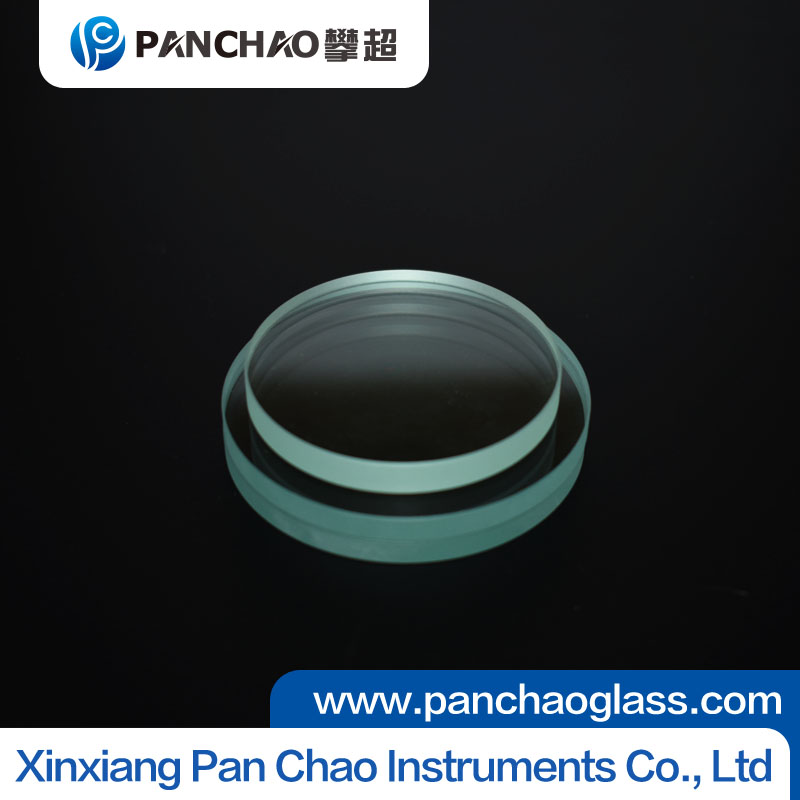
Tempered glass sight windows are widely used in industrial equipment because they offer higher mechanical strength and improved safety compared with ordinary glass. Their superior performance mainly comes from a specially engineered internal stress distribution structure created during the tempering process.
1. How Tempered Glass Is Formed
Tempered glass is produced by heating the glass to a high temperature near its softening point and then rapidly cooling the surface. This rapid cooling causes the outer layer to solidify first while the inner core cools more slowly.
As the inner portion contracts during cooling, it pulls against the already solidified surface, creating a unique stress pattern:
- Surface layer → compressive stress
- Inner core → tensile stress
This controlled stress distribution is the key to tempered glass performance.
2. Why Surface Compression Improves Strength
Glass naturally fails under tensile stress because microscopic surface defects easily expand into cracks. In tempered glass, the surface is already under strong compressive stress, which counteracts external tensile forces.
As a result:
- Surface cracks are harder to initiate
- Small scratches are less likely to propagate
- Impact resistance increases significantly
- Bending strength improves
This is why tempered sight glass performs better in industrial environments involving vibration, pressure fluctuation, or mechanical contact.
3. Stress Distribution Under Pressure
When a tempered glass sight window experiences pressure loading:
- The center area bends slightly
- Tensile stress develops on one side of the glass
- Existing surface compression offsets part of this tensile stress
Only when external stress exceeds the internal compressive reserve does fracture occur.
4. Safety Characteristics During Failure
Another advantage of tempered glass is its fracture behavior. When failure finally occurs, the internal stress balance is suddenly released, causing the glass to break into many relatively small fragments instead of large sharp shards. This reduces injury risk compared with ordinary glass.
5. Importance of Edge Quality
The stress distribution is most effective when edges are properly processed. Chips or scratches at the edge can penetrate the compressive layer and become starting points for failure. This is why edge grinding and polishing are critical in industrial sight glass manufacturing.
6. Limitations of Tempered Glass
Although stronger than ordinary glass, tempered glass is still not immune to:
- Severe impact
- Deep edge damage
- Excessive thermal shock
- Improper installation stress
- Pressure beyond design limits
Typical Applications
- Pressure vessel sight windows
- Industrial observation ports
- Machine protective viewing panels
- High-temperature equipment windows
The strength of tempered glass comes not from thicker material alone, but from carefully engineered internal stress balance.

Related articles
- Detailed Explanation of the Glass Tube Bending Process
- Stress Analysis of Sight Glass During Installation
- The Role of Glass Materials in Optical Inspection Equipment
- Analysis of the Effect of Glass Thickness on Pressure Resista
- Impact of Internal Defects on the Strength of Glass Materials
- Basic Approach to Calculating the Thickness of Sight Glass
- The Impact of Internal Stress in Glass Tubes on Service Life
- The Relationship Between Sight Glass Thickness and Safety Fac
- A Detailed Overview of the Custom Small Glass Tube Production
- How to Choose the Right Sight Glass for Ultra-High-Pressure E

Xinxiang Pan Chao Instruments Co., Ltd.
Tel: +86 13343800331
Contact person:Carrie Niu
Fax: 0373 303 0331
Email:sales@panchaoglass.com
