
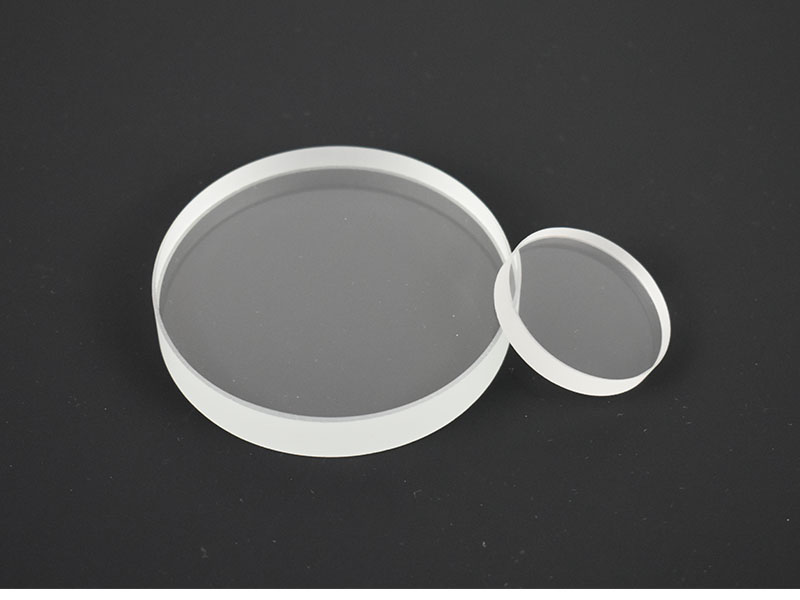
How to Control Dimensional Tolerances in Glass Processing

Dimensional tolerance control is a critical aspect of glass processing, determining whether a finished part meets the functional requirements of its intended application. In industries such as medical devices, semiconductor manufacturing, and laboratory instrumentation, even minor deviations can render a part unusable. Here is a comprehensive guide to controlling tolerances in glass part production.
Understanding the Sources of Variation
The first step in controlling dimensional tolerances is understanding where variation can arise. In glass processing, the primary sources of dimensional variation include thermal expansion and contraction during heating and cooling cycles, mechanical deformation during forming operations, material inconsistencies such as variations in density or composition, and tool wear from cutting, grinding, or polishing tools.
Each of these factors can contribute to dimensional errors, and effective tolerance control requires managing all of them.
Precision Cutting Methods
The cutting process is the first opportunity to control dimensions. Traditional thermal scoring methods achieve tolerances of approximately ±0.1 mm. For applications requiring tighter tolerances, CNC laser cutting systems can achieve ±0.005 mm. Laser cutting produces clean, square edges without the micro-cracks or surface irregularities that can affect dimensional stability.
For high-volume production, diamond saw cutting offers a balance between precision and speed. The use of thin diamond blades and precise feed rates can achieve tolerances of ±0.02 mm.
Stress-Free Annealing
Residual stress in glass can cause dimensional changes over time, leading to warping or cracking. After forming or cutting, glass parts must undergo a controlled cooling process known as annealing. This relieves internal stresses and stabilizes the glass structure.
The annealing temperature for borosilicate glass is typically around 560°C, while for soda-lime glass it is around 510°C. The holding time depends on the thickness and complexity of the product, with thicker pieces requiring longer times. Proper annealing ensures that the part maintains its dimensions under varying environmental conditions.
Environmental Control
Glass dimensions are sensitive to temperature. The coefficient of thermal expansion for borosilicate glass is approximately 3.3 × 10⁻⁶ per °C. A 100 mm part measured at 20°C will expand to 100.033 mm at 30°C, exceeding many tolerance specifications. Manufacturers control the ambient temperature during both manufacturing and measurement to ensure consistency. Maintaining temperature within ±0.1°C helps prevent dimensional errors.
Advanced Measurement and Verification
Manufacturers use advanced measurement systems to verify dimensional accuracy. Laser interferometry provides measurement accuracy of ±0.2 micrometers. Automated vision systems equipped with high-resolution cameras can inspect parts at high speed, measuring critical dimensions and rejecting any that fall outside specifications.
Statistical Process Control
Statistical process control (SPC) is used to monitor production and detect trends that may indicate a process is drifting out of specification. By tracking measurements over time, manufacturers can identify and correct issues before they result in out-of-tolerance parts.
The Bottom Line
Controlling dimensional tolerances in glass processing requires a multi-faceted approach. Precision cutting, proper annealing, strict environmental control, and rigorous measurement and verification are all essential. By managing each stage of the process, manufacturers can achieve the tight tolerances required for demanding applications. When selecting a glass processor, look for expertise in each of these areas. The ability to deliver consistent dimensional accuracy is the hallmark of a skilled glass manufacturer.

Related articles
- How Are Shaped Glass Tubes Manufactured?
- How to Control Dimensional Accuracy in Custom Glass Tube Manu
- How to Choose Between Round and Rectangular Sight Glasses
- How to Select the Right Sight Glass for Pressure Vessels
- How Quartz Glass Purity Affects Product Performance
- Tempered Glass vs. Quartz Glass: How to Choose
- Dimensional Tolerance Control in Custom Industrial Glass Comp
- How to Improve the Impact Resistance of Sight Glass
- How to Choose Corrosion-Resistant Sight Glass Materials
- Why Does Sight Glass Require Strict Dimensional Tolerances?

Xinxiang Pan Chao Instruments Co., Ltd.
Tel: +86 13343800331
Contact person:Carrie Niu
Fax: 0373 303 0331
Email:sales@panchaoglass.com
