
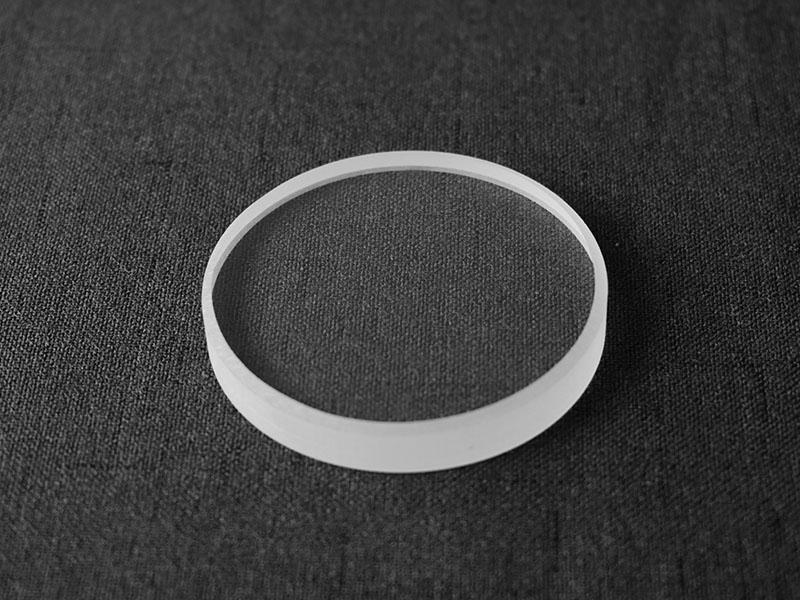
Industrial Custom Glass: Development Trends and Market Demands

The industrial custom glass market is experiencing significant transformation driven by technological advancements, evolving industry requirements, and changing consumer preferences. As industries increasingly demand specialized glass solutions, manufacturers must adapt to meet these emerging trends. This article explores the key developments shaping the future of custom glass manufacturing.
Market Growth and Diversification
The global custom glass market is projected to reach USD 79.3 billion by 2028, growing at a CAGR of 6.1%, driven by demand across multiple sectors including construction, automotive, electronics, and healthcare. Key growth drivers include:
-
Construction & Architecture: Smart glass technologies for energy efficiency and aesthetic appeal are driving demand for custom solutions.
-
Automotive Industry: Lightweight glass solutions and advanced safety features are creating new opportunities.
-
Electronics & Displays: Ultra-thin glass for foldable devices and AR/VR applications are in high demand.
-
Healthcare & Life Sciences: Specialized glass for medical devices and pharmaceutical packaging is a growing segment.
Technological Advancements
Innovations in manufacturing processes are enabling new possibilities in custom glass production:
-
Smart Glass Technologies: Electrochromic and thermochromic glass that can change properties on demand are gaining traction.
-
Nanotechnology: Surface modifications for self-cleaning and anti-reflective properties are becoming mainstream.
-
3D Printing: Additive manufacturing techniques are revolutionizing prototyping and small-batch production.
-
AI & Machine Learning: Automated inspection systems and predictive maintenance are enhancing quality control.
Sustainability and Eco-Friendly Solutions
Environmental concerns are reshaping the custom glass industry:
-
Recycled Content: Increasing use of recycled glass in manufacturing processes.
-
Energy Efficiency: Low-emissivity glass and smart windows contributing to sustainable building design.
-
Circular Economy: Closed-loop recycling systems reducing waste and resource consumption.
-
Green Manufacturing: Energy-efficient production methods and reduced carbon footprints.
Customization and Personalization
The demand for bespoke glass solutions is growing across sectors:
-
Design Flexibility: Architect-designed facades and interiors featuring intricate patterns and textures.
-
Functional Integration: Glass that incorporates LED lighting, solar cells, or other technologies.
-
Precision Engineering: Tight tolerances for specialized applications in aerospace and medical devices.
-
Smart Features: Integration with IoT and building management systems.
Quality and Certification Standards
Regulatory compliance remains paramount:
-
Industry-Specific Standards: Meeting requirements for automotive, medical, and pharmaceutical applications.
-
Safety Certifications: Adherence to impact resistance and safety standards.
-
Environmental Compliance: Meeting sustainability regulations and green building certifications.
-
Quality Assurance: Rigorous testing and certification processes ensuring reliability.
Future Outlook
The custom glass market is poised for continued growth, driven by urbanization, technological advancements, and sustainability demands. Key areas to watch include:
-
Smart Cities: Glass as a key component in infrastructure and building design.
-
Healthcare Innovations: Advanced glass for medical devices and drug delivery systems.
-
Energy Sector: Applications in solar energy and energy-efficient building designs.
The Bottom Line
Industrial custom glass is evolving rapidly, with innovations in manufacturing, material science, and smart technologies expanding its applications across industries. Manufacturers who invest in research and development, sustainable practices, and quality assurance will be well-positioned to capitalize on growing market opportunities. The future belongs to those who can combine precision engineering with innovative solutions for diverse market needs.

Related articles
- Quartz Glass vs. Borosilicate Glass: Which Is More Heat-Resis
- How to Control Dimensional Tolerances in Glass Processing
- Why Do Custom Glass Products Require Annealing?
- How Are Shaped Glass Tubes Manufactured?
- The Impact of Glass Tube Wall Thickness on Pressure Resistanc
- The Flame Polishing Process for Borosilicate Glass Tubes
- Key Considerations for Quartz Glass Tube Cutting and Processi
- How to Control Dimensional Accuracy in Custom Glass Tube Manu
- What Parameters Are Needed for Custom Sight Glass?
- High-Temperature Reactor Sight Glass Selection Guide

Xinxiang Pan Chao Instruments Co., Ltd.
Tel: +86 13343800331
Contact person:Carrie Niu
Fax: 0373 303 0331
Email:sales@panchaoglass.com
